A large filling or extensive decay
When too little sound tooth remains to support another filling predictably, a crown can cover and reinforce the remaining structure.

Restorative dentistry · South Phoenix
A crown covers the visible part of a weakened tooth when a filling or veneer would not provide enough protection. Dr. Monzer Shakally evaluates the remaining tooth, bite, gum health, and cosmetic goals before recommending how much coverage the tooth actually needs.
The goal is not simply to make a tooth look new. It is to rebuild it predictably while preserving sound structure wherever possible.
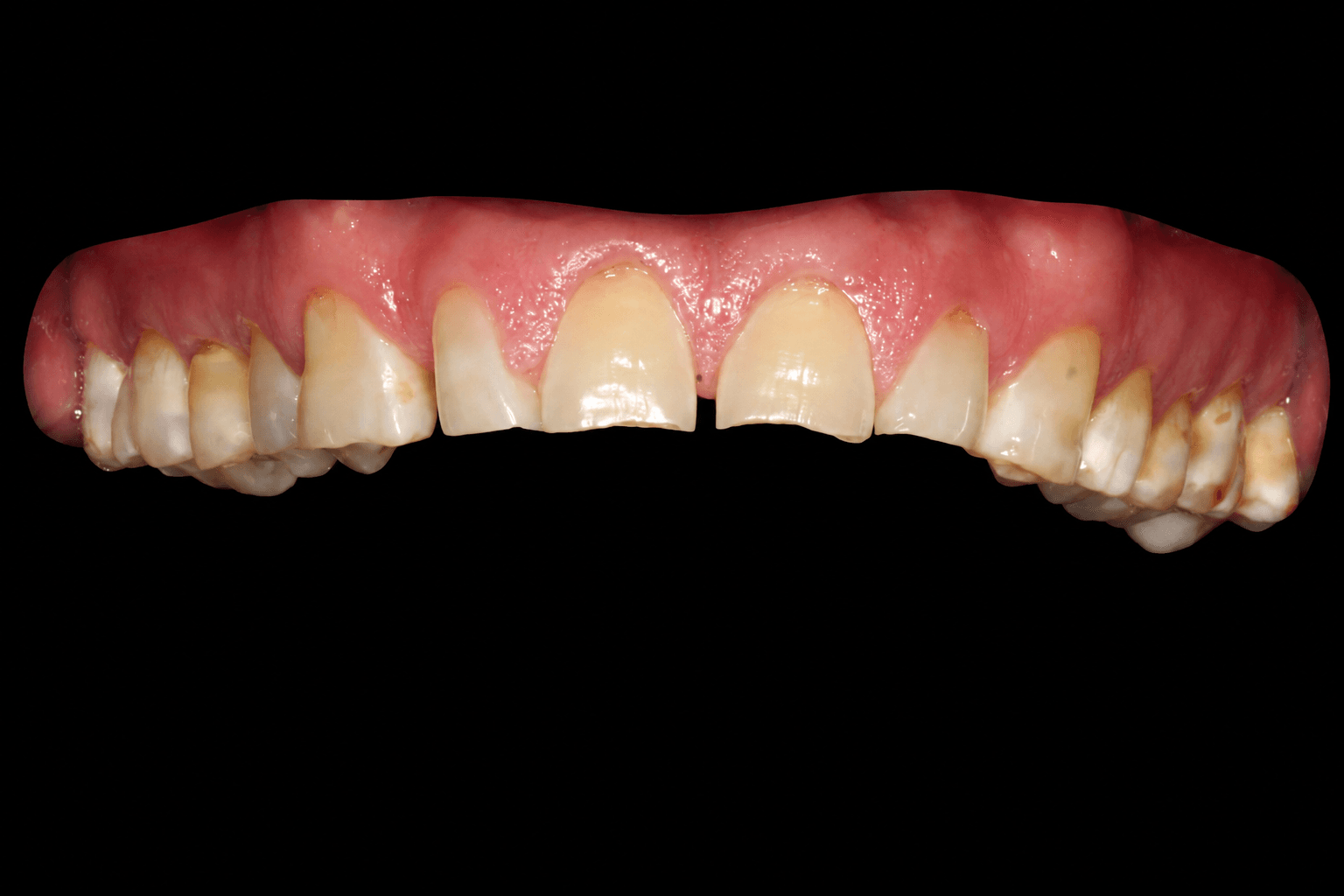
Real Southern Smiles patient
Noe's front four teeth were small and spaced, making additive minimal-prep veneers useful. Six neighboring teeth were substantially worn from grinding and needed fuller coverage to restore tooth length and help rebuild the visible bite. The final plan used six esthetic zirconia crowns and four layered veneers rather than treating every tooth the same way.
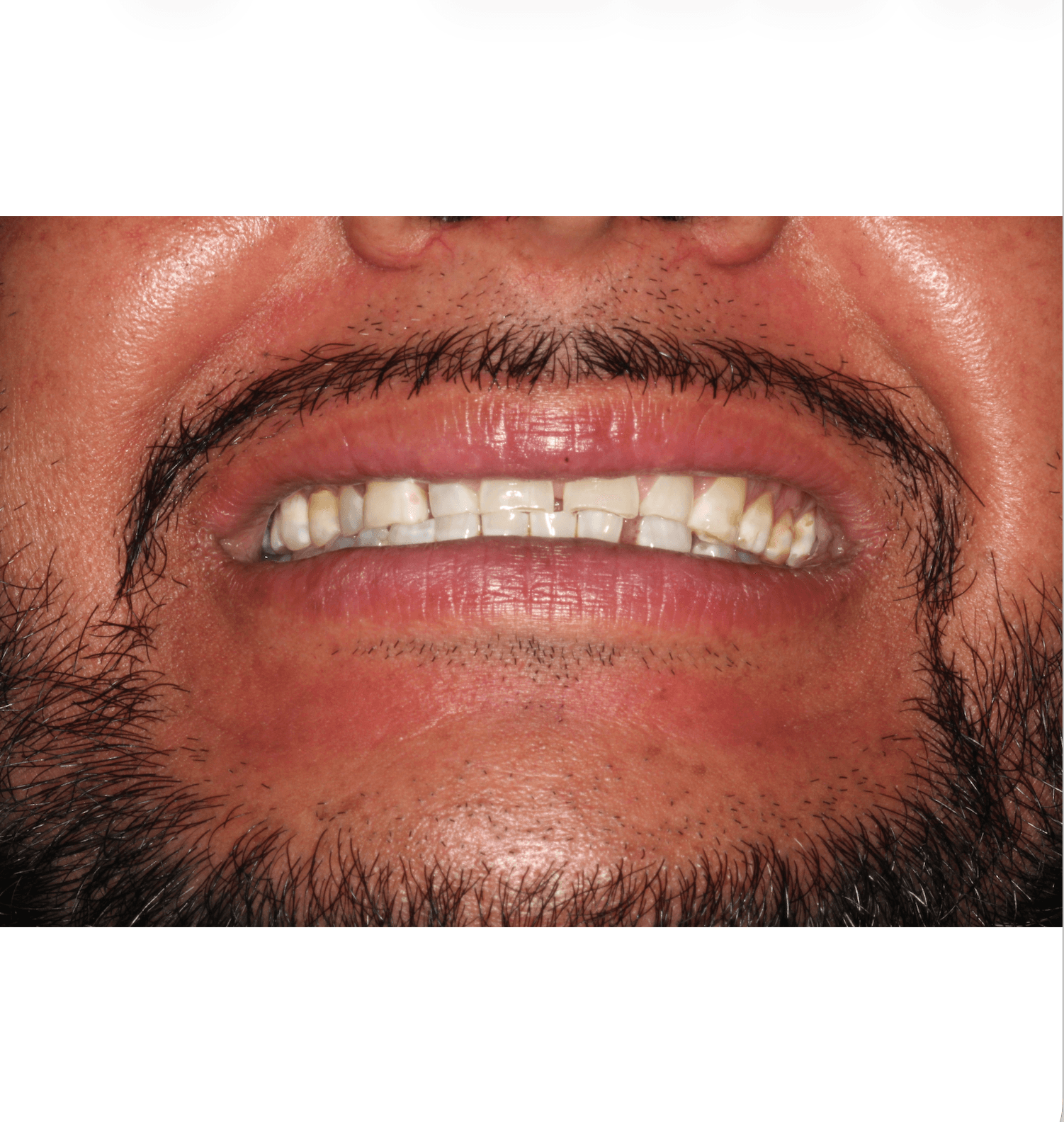

This is a mixed restorative and cosmetic case. Individual anatomy, bite, materials, and treatment needs vary.
Read Noe's complete case study →When full coverage may be appropriate
When too little sound tooth remains to support another filling predictably, a crown can cover and reinforce the remaining structure.
Coverage may help hold a compromised tooth together and restore lost shape. The crack pattern, symptoms, and remaining structure still determine whether the tooth is restorable.
Many back teeth need cuspal coverage after root canal treatment because they are already structurally weakened. The recommendation depends on the tooth and how much structure remains.
Crowns may be one part of a larger plan when grinding, collapsed tooth length, or existing restorations make a purely cosmetic veneer plan inappropriate.
Crown or veneer?
Noe's six crowned teeth needed fuller coverage because grinding had removed tooth structure and the bite required reconstruction.
Read Noe's complete case study →

Hazel's four front teeth primarily needed changes in color and proportion. Conservative veneers addressed those goals without turning otherwise healthy teeth into crowns.
See Hazel's four-veneer case →A veneer covers mainly the visible front surface. A crown wraps around more of the tooth. Neither is automatically better; the more conservative option that can meet the clinical goal is usually the better starting point.
What to expect
01
We evaluate symptoms, decay or cracks, gum health, existing restorations, bite, and needed X-rays. We explain whether a filling, onlay, veneer, crown, or another treatment is more appropriate.
02
After numbing the tooth, Dr. Shakally removes compromised structure and shapes only what the planned restoration requires. A digital scan records the preparation, and a temporary crown protects the tooth while the laboratory completes the final restoration.
03
At delivery we evaluate fit, contacts, contour, color, and bite before cementing the final crown. Grinding or a larger reconstruction may make a protective night guard appropriate.
Temporary crowns are designed for the provisional period. Call us if one loosens, breaks, or your bite feels significantly different.
Material selection
Frequently selected for strength and a tooth-colored appearance. Noe's six crowns used esthetic zirconia.
Selected anterior cases may benefit from additional ceramic layering when translucency, texture, and characterization are especially important.
Some situations favor a different material because of clearance, bite forces, tooth position, or the condition of the opposing teeth.
From Dr. Shakally
Hear how Dr. Shakally decides when a filling is no longer enough, what happens at each appointment, and why the margin and bite still need long-term care.
Meet Dr. Shakally →Cost and financing
The fee can vary with the material, whether a foundation or root canal is needed, the complexity of the bite, and your insurance benefit. We review the diagnosis and an itemized estimate before treatment. Financing options may help divide qualified treatment into payments.
Common questions
A crown is a cap that covers a tooth and protects it long term. It can be made from gold or porcelain, though most crowns today use zirconia, which is strong and looks natural.
It depends on why we are treating the tooth. A small cavity may be fine with a filling, but a large cavity, or a cracked or root-canaled tooth, usually needs a crown to protect it for the long term.
Almost always, especially on back teeth. After a root canal the tooth becomes more brittle, and a crown restores its strength and protects it.
In our office it is two appointments. The first is the longer one, about an hour, where we numb you, shape the tooth, and scan it for the lab. At the second visit we check the fit, color, and bite, then cement the final crown.
Not really. You are numbed for the first appointment, and if you feel anxious we can add laughing gas. The second visit is quick and comfortable.
Yes. The crown itself cannot decay, but the margin where it meets your tooth can, so good brushing, flossing, and checkups still matter.
On average around five years or more, though it depends on your bite and home care. Considering how many times you chew on it, a well-made crown does a lot of work.
Start with an exam. We will show you what remains of the tooth, explain the alternatives, and provide a written plan before treatment.