Unpredictable whitening
Whitening could not reliably provide the color change Hazel wanted and would not change the shape or width of the teeth.

Real Southern Smiles patient · Phoenix, AZ
Hazel disliked the color of her front teeth and the spaces between them. The discoloration was unlikely to respond predictably to whitening, while the spaces reflected tooth size more than tooth position.
Her plan used four conservatively prepared veneers to change color and proportions together—without trying to make her smile look artificial.
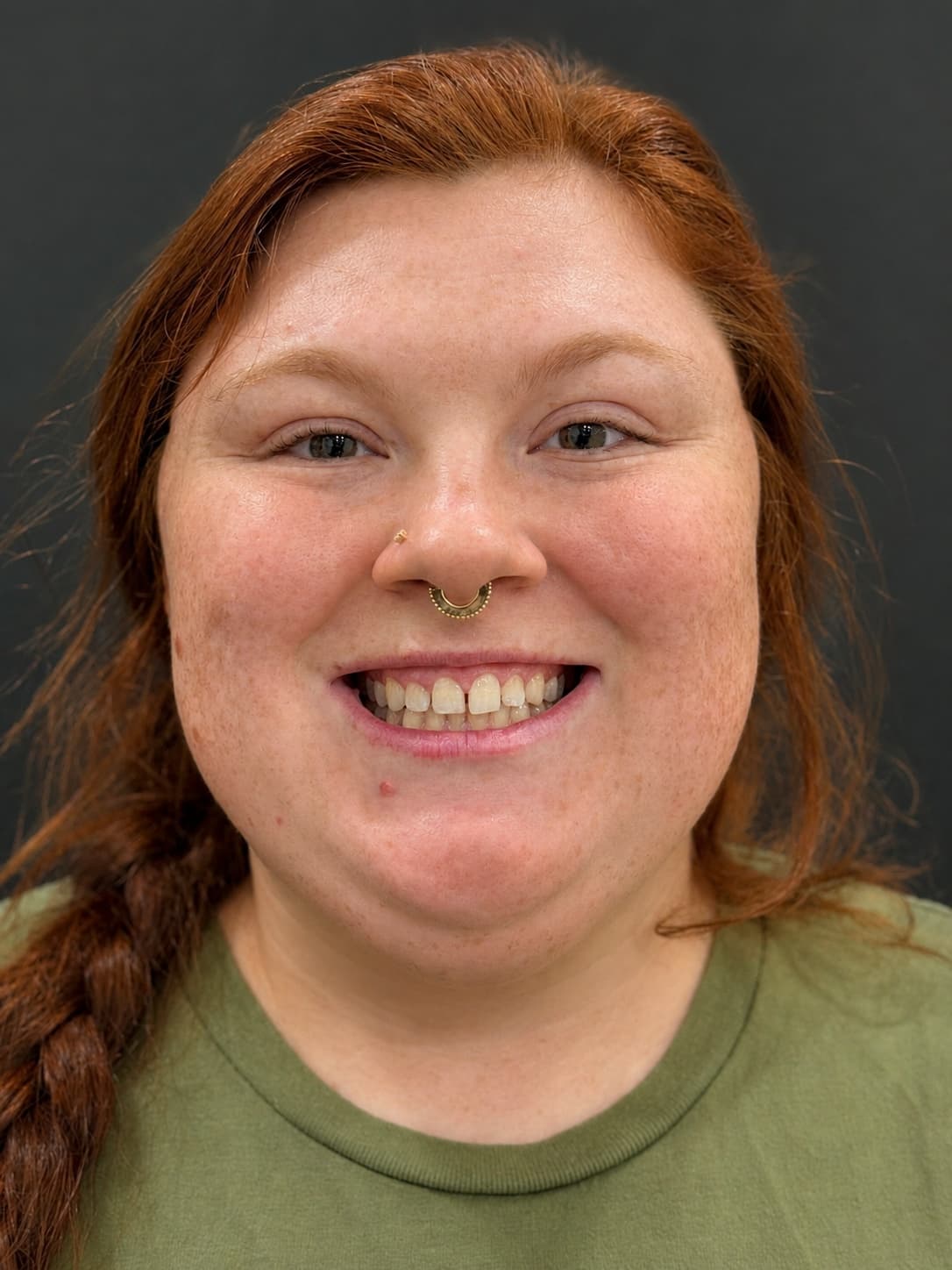
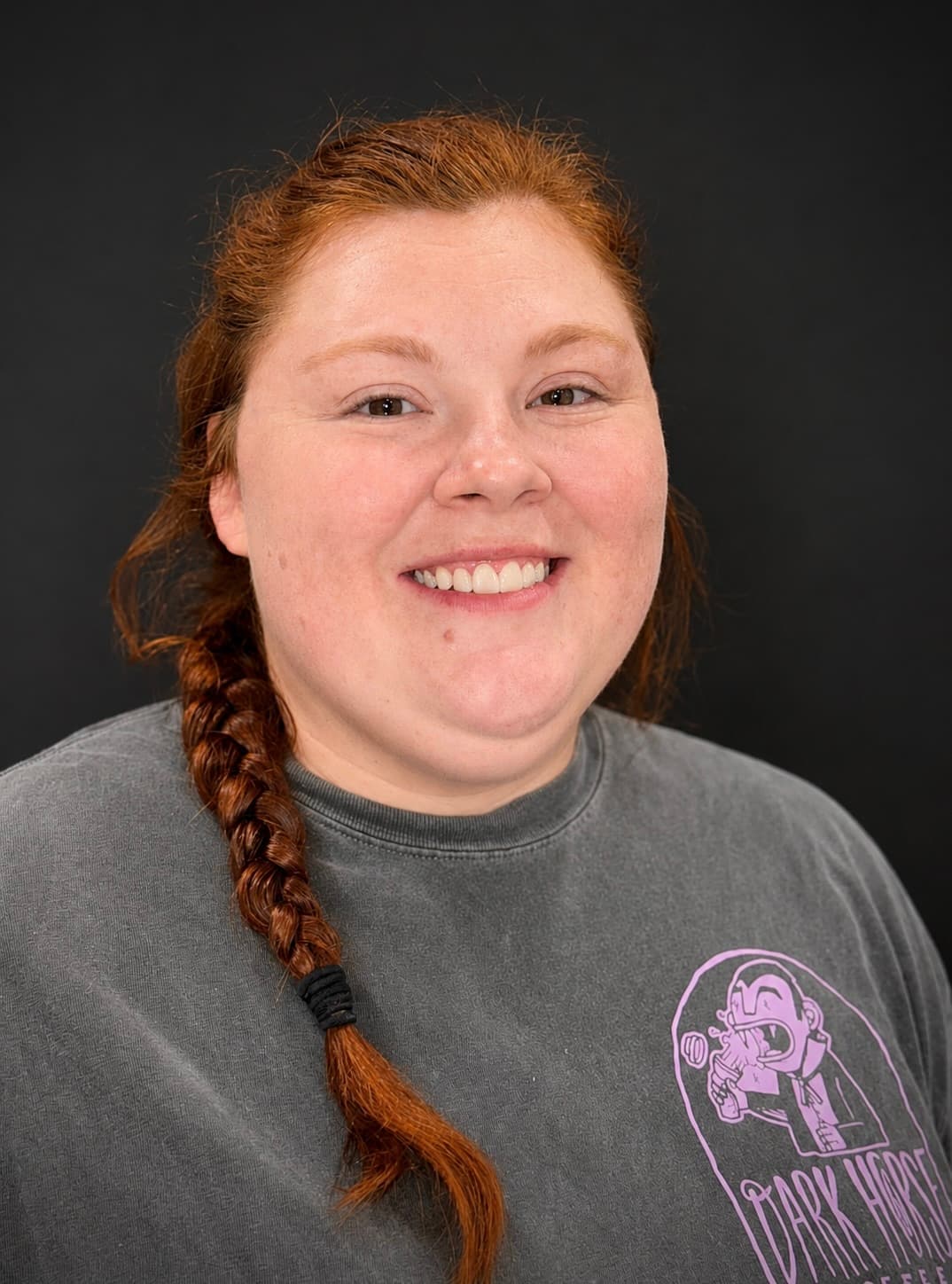
The completed plan
4
Front veneers
3
Appointments
2 weeks
In functional temporaries
Phoenix
Local master ceramist
Why veneers fit this case
Whitening could not reliably provide the color change Hazel wanted and would not change the shape or width of the teeth.
The visible gaps were largely a tooth-proportion issue. Carefully adding width was more relevant than moving otherwise acceptable tooth positions.
Hazel wanted the result to belong in her face—not look uniformly bright or artificial. Shape, surface character, and shade were planned around that preference.
For Hazel's specific goals, veneers offered a more direct and predictable way to address color and tooth proportions together than whitening, alignment, or extensive bonding alone. Treatment choices depend on the individual exam.
Try the design before treatment
Southern Smiles photographed and digitally scanned Hazel, designed the proposed smile virtually, and printed a 3D model in the office. That model was used to place temporary mock-up material over her teeth so she could see the planned proportions in her own mouth and identify what she liked before the permanent design was finalized.

Three appointments
01
Photographs and a digital scan supported the virtual design, in-office 3D-printed model, and physical mock-up Hazel evaluated.
02
All four front teeth were prepared conservatively through the approved design. Reduction varied by surface, and some areas required little or no reduction. Hazel then wore functional temporaries based on that design.
03
Two weeks later, the four final veneers were evaluated for fit, color, contours, contacts, and bite before delivery.
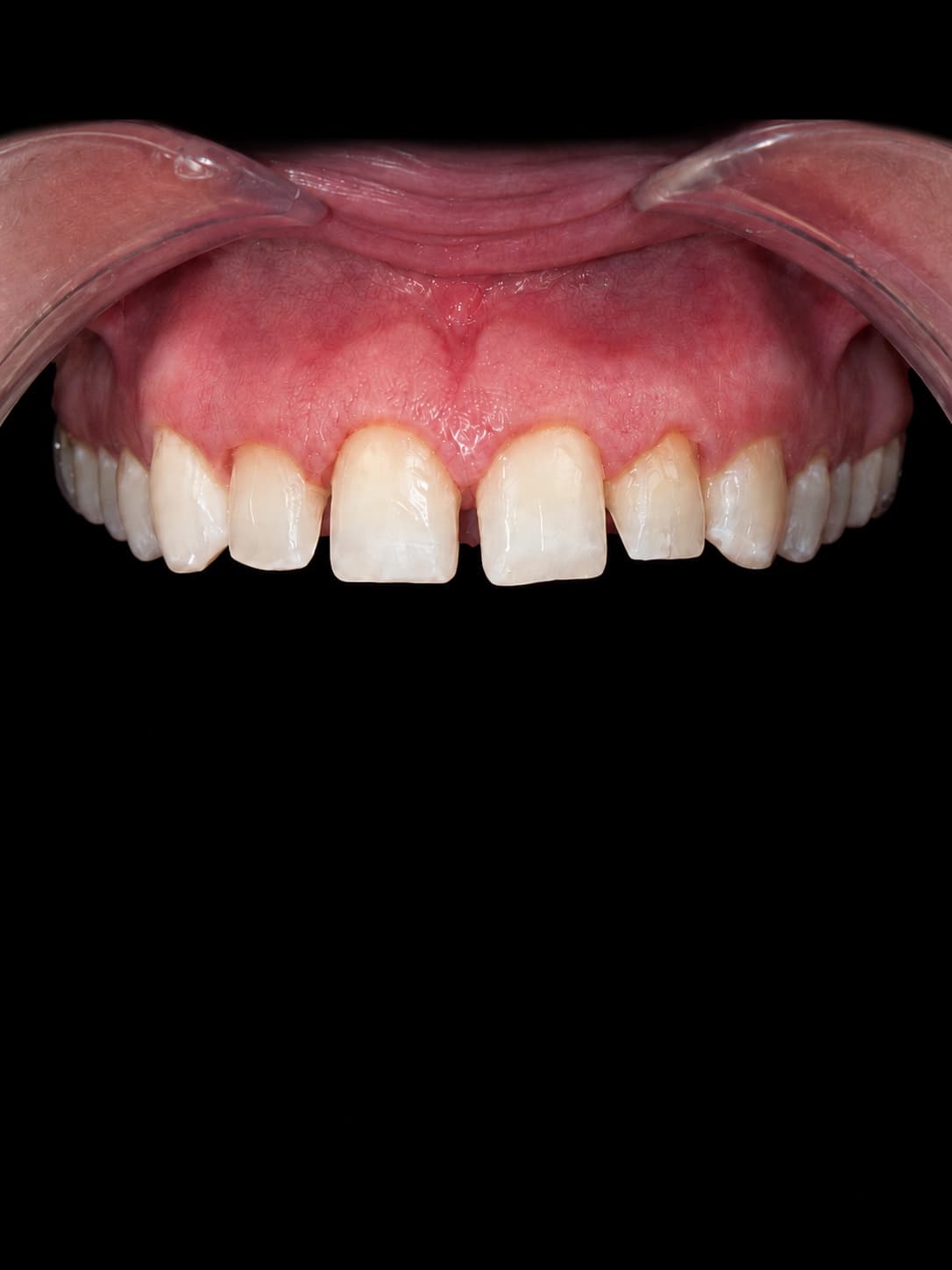
Clinical treatment image
The amount of preparation was selected tooth by tooth and surface by surface. Preparing through the Smile Test Drive helped keep the reduction tied to the space the final design actually required.
Clinical image shown for educational purposes. Individual anatomy and preparation needs vary.
Made locally in Phoenix
A master ceramist in Phoenix fabricated the four porcelain-fused-to-zirconia veneers. The zirconia supported the restorations while the hand-layered porcelain allowed the ceramist to develop natural-looking color, translucency, contours, and surface character.
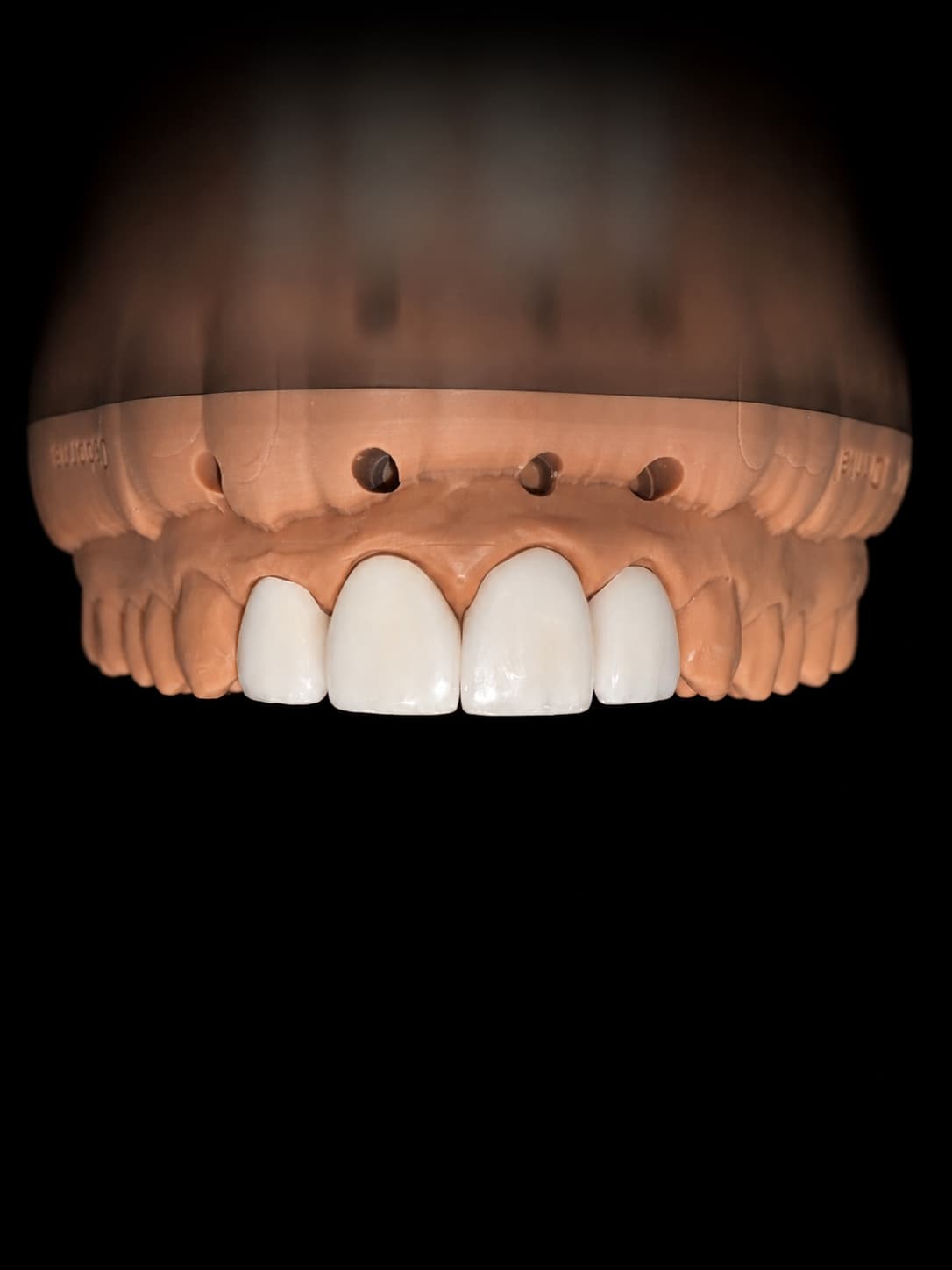
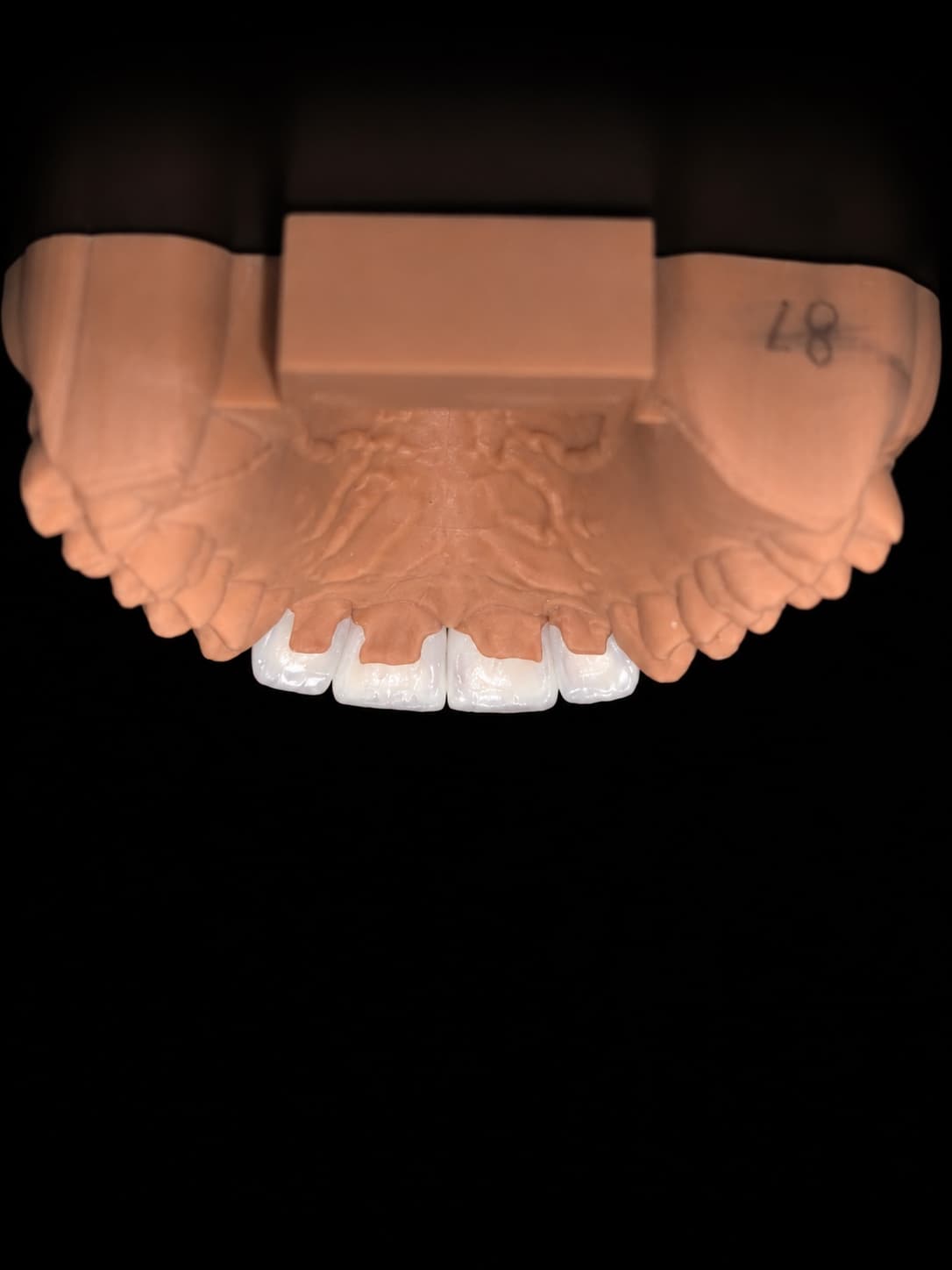
Hazel wore her in-office temporaries for two weeks without problems and was able to eat during the provisional period.
The result
The final veneers changed the resistant discoloration, closed the visible spaces, and refined the proportions of the four front teeth. The case was intentionally limited to the teeth needed for Hazel's goals. Individual treatment needs and results vary.
A cosmetic consultation can compare whitening, bonding, alignment, veneers, and other options. When appropriate, a physical Smile Test Drive can make the proposed design easier to evaluate.