
Mercury-Free Fillings
5 Reasons Most Dentists Have Stopped Using Mercury in Dental Procedures
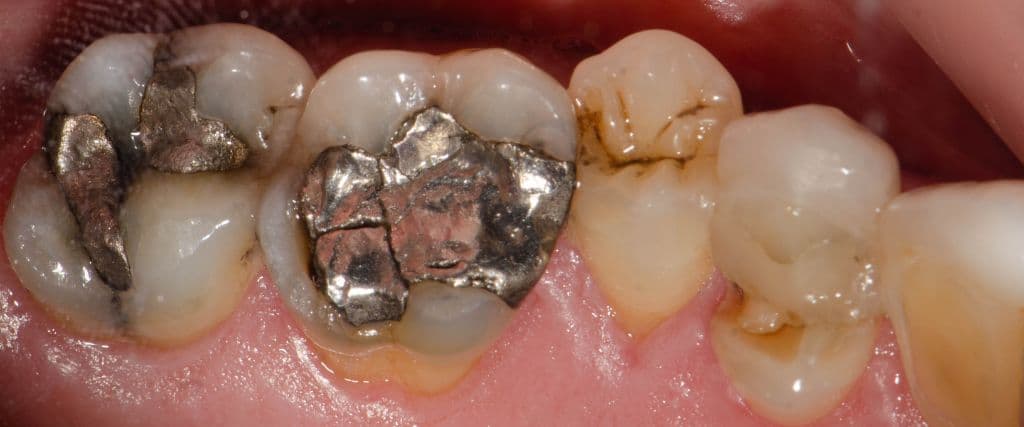
Dental restorations have changed a great deal over the past two decades. Mercury amalgam fillings were once the standard, prized for their strength and low cost. Today most dentists have moved on to mercury-free materials, and the reasons go beyond appearance. Here is what drove the shift, and what the modern alternatives offer.
The five main concerns with mercury amalgam
1. Health and safety risks
The biggest concern with amalgam is mercury vapor. Research shows that these fillings continuously release small amounts of vapor, especially during chewing, grinding, and exposure to heat. The vapor is absorbed into the bloodstream and can accumulate in the brain, kidneys, and liver. According to the World Health Organization, dental amalgam is a leading source of mercury exposure.
Regulatory agencies hold that current exposure levels stay within acceptable limits, but many patients and practitioners prefer to remove the risk entirely by choosing mercury-free materials. Chronic mercury exposure can contribute to neurological symptoms, including memory problems, mood changes, and cognitive difficulty. Pregnant women, children, and people with compromised immune systems are especially vulnerable.
2. Environmental impact
Amalgam also carries an environmental cost. Dental offices follow strict waste protocols to keep mercury out of the water supply. When patients with amalgam fillings are cremated, mercury vapor can be released into the air. Mercury is difficult to remove from wastewater, so it can build up in lakes, rivers, and oceans, eventually entering the food chain through fish and seafood. That cumulative effect reaches far beyond any single dental office. As dental professionals, we take our responsibility to the environment seriously, and mercury-free materials let us deliver strong results without that burden.
3. Aesthetic limitations
Amalgam fillings leave dark spots that become more noticeable as patients age and gums recede. The contrast between silver fillings and natural tooth color can affect how comfortable someone feels smiling. With social media, video calls, and close-up photography raising awareness of how teeth look, amalgam no longer meets what most people expect.
The dark metal can also discolor the tooth itself over time. Mercury and silver particles migrate into the tooth, creating staining that lasts even after the amalgam is removed, so restoring natural color often requires additional treatment.
4. Expansion and contraction
Amalgam expands and contracts with temperature more dramatically than natural tooth structure. Hot drinks cause it to expand and cold foods cause it to contract, creating stress inside the tooth. Over time that stress can lead to fractures, especially in older fillings. The repeated mechanical strain weakens the remaining tooth and can lead to more extensive damage that requires a crown or a root canal. Some patients also feel sensitivity from this thermal movement.
5. Biocompatibility concerns
Some patients react to the components of amalgam with sensitivity or allergy, which can show up as oral lesions, gum inflammation, or broader symptoms. These reactions are relatively uncommon, but they cause real discomfort for the patients who have them.
When amalgam meets other metals in the mouth, such as gold crowns or orthodontic appliances, it can create small electrical currents. This galvanic action may cause discomfort, a metallic taste, or faster corrosion of dental materials. Amalgam also does not bond chemically to the tooth. It requires removing healthy tooth structure to create undercuts that hold the filling in place, which weakens the natural tooth.
Three advantages of mercury-free dentistry
1. Natural-looking results
Mercury-free materials such as composite resins and ceramic restorations closely match the color and translucency of natural teeth. With advanced color-matching, dentists can create restorations that blend in with the surrounding teeth. These materials can be layered and sculpted to recreate natural tooth anatomy, so the result supports your smile rather than standing out. Modern bonding also lets dentists preserve more healthy tooth structure, since composite bonds chemically to enamel and dentin instead of relying on mechanical retention.
2. Better biocompatibility and safety
Mercury-free materials remove concerns about vapor release and toxic exposure. Composite resins and ceramics are biocompatible with oral tissue and rarely cause allergic reactions or sensitivity. Without metal components, there is no galvanic effect and less risk of oral lesions. Even patients with metal allergies can usually receive care without worrying about a reaction.
3. Strong durability
Today's mercury-free fillings are durable when properly placed and maintained. Advanced composite resins resist wear, fracture, and degradation well, and ceramic materials are strong enough to last for decades with good care. Because these fillings bond to the tooth, they form a seal that helps keep bacteria out. That reduces the chance of new decay and extends the life of the restoration, so patients tend to need fewer replacements over time. Modern materials also flex with the tooth during chewing and temperature changes, which lowers stress and the risk of fractures.
The bottom line
As more dental professionals move away from amalgam, the shift reflects a steady commitment to better materials and patient-centered care. Patients now have access to restorations that restore both function and appearance without compromising their health or the environment.
If you are in Phoenix, AZ, and looking for dental care you can trust, reach Southern Smiles at (480) 530-0755 or through our contact page. We are here to help you smile with confidence.
Ready for a healthier smile?
We provide a thorough exam as part of every wellness visit. Book an appointment and let us take care of you.