
Bite Alignment
Signs You Need a Bite Adjustment and How Your Dentist Can Help
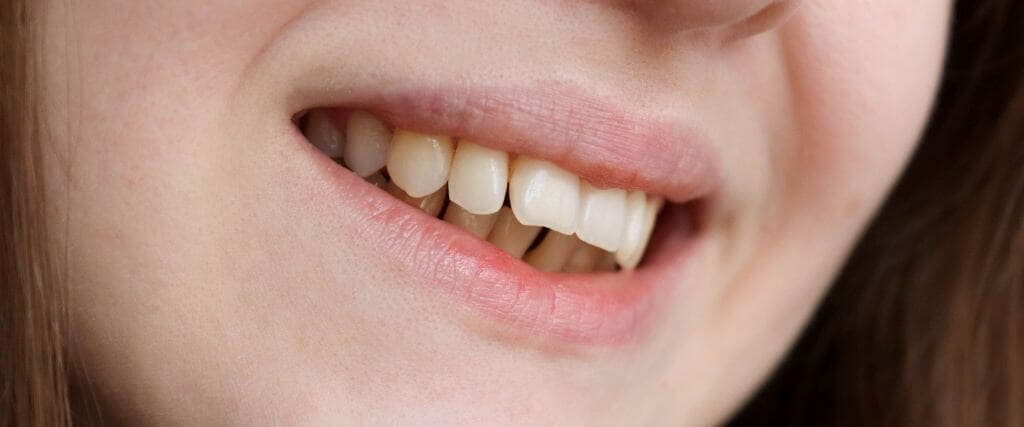
When your teeth meet the way they should, they work together quietly and you rarely think about it. When they do not, the effects reach well beyond your smile. A misaligned bite can show up as jaw pain, headaches, poor sleep, and worn teeth. The good news is that a bite problem is something your dentist can evaluate and correct.
What throws your bite off balance
Several things can disrupt how your upper and lower teeth fit together. Dental restorations sometimes leave a high spot that keeps your teeth from closing evenly. Losing a tooth lets the remaining teeth drift, opening gaps and shifting alignment. Grinding or clenching wears tooth surfaces unevenly and changes how the two arches connect. A jaw injury from an accident or sports can move your bite permanently if it goes untreated.
Orthodontic treatment can affect your bite temporarily during the adjustment process, even though it helps over the long term. Genetics also play a part. Some people inherit a jaw shape or tooth size that naturally creates bite problems, and those tend to worsen over time without professional help. Even normal aging shifts how your teeth fit as enamel wears and gums recede.
Clear signs your bite needs attention
Persistent jaw pain and muscle tension
When your bite is off, your jaw muscles work overtime, and that tension can spread through your face, neck, and shoulders. Waking up with a stiff jaw can mean you are grinding or clenching as you sleep, your body searching for a comfortable position. Pain near your ear or trouble opening your mouth wide points to stress in the temporomandibular joints (TMJ), which connect your jaw to your skull. When those joints hurt, bite alignment is often the cause.
Frequent headaches that tests cannot explain
The link between your bite and your headaches surprises many patients. Misaligned teeth force the jaw muscles to work harder, and that tension travels to your temples and forehead. Tension headaches from bite problems often begin when you wake and build through the day. Talk to your doctor if you get frequent headaches. If medical tests rule out other causes, your bite may be the reason.
Sleep disruptions and breathing problems
Poor bite alignment can narrow your airway and affect how well you sleep. Patients often report waking up tired even after a full night. Snoring can get worse when a bite problem forces the jaw into a position that restricts airflow. A sleeping partner might also notice more grinding or tooth clicking, a sign your jaw muscles are working to find a comfortable spot overnight.
Digestive issues from poor chewing
Digestion starts in the mouth, so dental problems and stomach problems can be connected. Proper chewing breaks food into smaller pieces and mixes it with saliva enzymes that begin breaking down starches. When your bite is off, you cannot break food down well before swallowing, and incomplete chewing forces your digestive system to work harder. That can lead to stomach discomfort or poor nutrient absorption.
Uneven tooth wear and damage
Look at your teeth in the mirror. Do some appear shorter or more worn than others? Your back teeth show some wear from chewing, but heavy wear on the front teeth often signals a bite problem. Uneven wear suggests an imbalance that concentrates chewing forces on certain teeth, and that pressure can crack or chip teeth over time.
Changes in speech patterns
Your teeth help shape the sounds you make. Bite problems can create subtle changes like a whistle, a lisp, or trouble pronouncing certain words. These shifts tend to develop gradually, so they are easy to miss. Speakers, teachers, and anyone who relies on clear communication should pay attention to even small changes.
What happens during a bite adjustment
As dental professionals, we use several techniques to evaluate and correct bite problems. The first step is a careful look at how your teeth meet when you bite down. We use special marking papers to find contact points and see how pressure is distributed across your teeth. Digital tools help us measure your bite precisely, and some practices use computerized analysis that records the timing and force of your bite as it closes. That information guides the treatment plan.
The adjustment itself depends on your needs. Minor adjustments may involve carefully reshaping small areas of enamel to improve how your teeth contact. This kind of adjustment is comfortable and often finished in a single visit. More complex problems may call for orthodontic treatment, dental restorations, or oral surgery. Your dental team will walk you through every option and build a plan that fits your needs, your lifestyle, and your budget.
The benefits of proper bite alignment
Correcting a bite problem often brings quick relief from pain and discomfort. Patients frequently notice fewer headaches and less jaw tension within days of treatment. Sleep often improves as airway restrictions ease and grinding habits settle down.
Your teeth also last longer when bite forces are spread evenly across all surfaces. Better chewing supports digestion and nutrient absorption, which helps your whole body. Many patients regain confidence as speech clarity returns, and everyday conversations feel easier when jaw pain is no longer a distraction.
When to schedule your bite evaluation
Do not wait for severe pain to address a bite problem. Early care prevents more serious issues and usually means less treatment overall.
Schedule an appointment if you notice any of the signs above, or if:
- You have had recent dental work that feels "high" or uncomfortable after a few days. Your bite should feel natural within 48 hours of most procedures, unless your dentist tells you otherwise.
- You wake up with a sore jaw more than twice a week.
- You notice changes in your sleep, especially new or worsening snoring.
Bite problems tend to worsen with time, so it is worth getting ahead of them. Modern dentistry offers effective solutions for even complex bite issues, and the sooner you address them, the simpler and more affordable treatment tends to be. Schedule an appointment with Dr. Shakally to evaluate your bite and talk through your options.
You can reach Southern Smiles by phone at (480) 530-0755 or by email through our contact page.
Ready for a healthier smile?
We provide a thorough exam as part of every wellness visit. Book an appointment and let us take care of you.