
Root Canals
Root Canal Treatment FAQs: Common Patient Concerns and Clear Answers
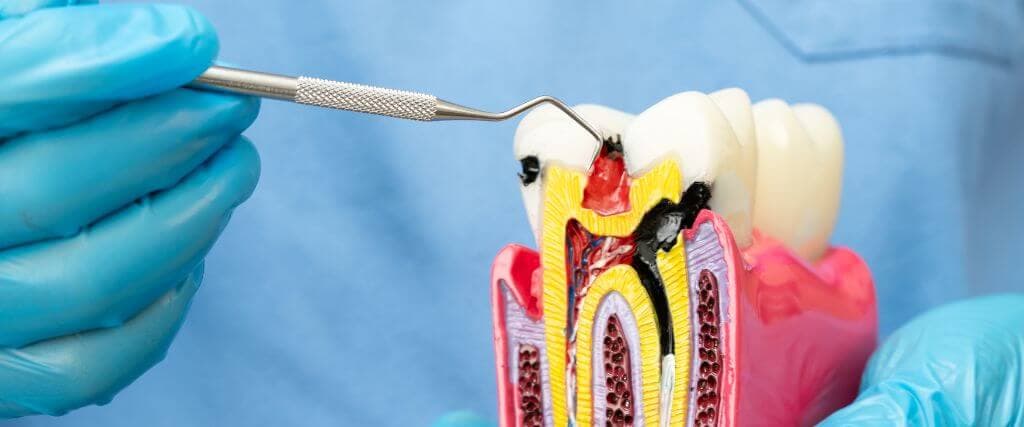
Few dental procedures carry as much worry as a root canal, and a lot of that worry comes from misinformation. A root canal is a routine way to save a tooth that is infected or badly damaged. Here are clear answers to the questions patients ask us most.
What exactly is a root canal?
A root canal removes infected or severely damaged pulp from inside your tooth. The pulp holds the nerves and blood vessels, and it can become infected from deep decay, repeated dental work, or trauma. During the procedure, your dentist removes the infected tissue, cleans and disinfects the root canals, then fills and seals the space to keep further infection out.
Do root canals hurt?
Despite the reputation, a root canal should not cause significant pain. Your dentist thoroughly numbs the area, and most patients are comfortable throughout. You may feel pressure during treatment, but sharp pain is a sign the area needs more numbing. If you feel it, tell your dentist so they can add anesthesia.
What usually hurts is the infection itself, and most patients feel real relief once the infected tissue is gone. Afterward, discomfort tends to be mild to moderate and responds well to over-the-counter pain medication. Some increased sensitivity for a few days is normal as the surrounding tissues heal.
How long does a root canal procedure take?
A typical root canal takes about 30 to 60 minutes, though the exact time varies. Several factors influence it:
- Number of roots in the affected tooth
- Severity of the infection
- Complexity of the root canal anatomy
- Need for additional procedures
Your dentist will give you a time estimate at your consultation.
Why do I need a crown after a root canal?
A root canal removes a meaningful portion of the tooth's inner structure, which weakens what remains and leaves it prone to fracturing under normal chewing. A crown covers the visible part of the tooth above the gum line, distributes chewing forces evenly, and helps prevent cracks that could compromise the root canal or lead to extraction.
Back teeth especially benefit from a crown because of the heavy forces they handle. For front teeth, your dentist may recommend a filling instead, depending on how much healthy structure is left. Delaying the crown raises the risk of fracture, and many insurance plans cover crowns after a root canal for this reason.
How long does recovery take after a root canal?
Recovery generally takes a few days to a week, and most patients are back to normal activities within 24 to 48 hours. The timeline depends on how extensive the infection was and how your body heals.
You may feel mild to moderate discomfort on the first two days, which over-the-counter pain relievers usually handle. For more complex cases, your dentist may prescribe something stronger. The surrounding tissues take several weeks to fully heal, but you should not have ongoing symptoms during that time. Your dental team will monitor your healing and address anything that comes up.
What are the signs that a root canal failed?
Root canal success rates exceed 85% when proper techniques and follow-up care are in place, but failure is possible. Watch for:
- Persistent or returning pain
- Swelling around the treated tooth or in nearby facial tissues
- Sensitivity to temperature changes
- Changes in tooth color
If you notice any of these, contact your dentist right away.
Can I eat normally after a root canal?
You will need to adjust your eating for a short time, and your dentist will give you specific guidance. In general, avoid chewing on the treated side for the first few days to protect the temporary filling or crown.
Stick to soft foods that need little chewing at first, such as soups, smoothies, pasta, and cooked vegetables. Avoid hard, sticky, and crunchy foods like nuts, hard candies, ice, caramel, and gum, which can dislodge a temporary restoration. Once your permanent crown is in place, you can return to your regular diet, and the restored tooth should function much like your natural teeth.
Are there alternatives to root canal treatment?
The main alternative is extracting the infected tooth, but that creates additional challenges and costs that a root canal avoids. Some patients ask about antibiotics alone, but medication cannot fully clear an infection inside the root canals, where the blood supply is compromised. Antibiotics may offer temporary relief, but they rarely resolve the underlying problem.
How much does root canal treatment cost?
Cost varies with the location of the tooth and the complexity of the case, typically ranging from $600 to $1,200. Your area and your dental practice's fees also play a role. Dental insurance plans often cover root canals at 50 to 80% of the cost, reflecting how the treatment helps preserve a natural tooth and prevent more expensive problems later.
Keep in mind that the full cost includes both the root canal and the crown. Even so, it is significantly less than an extraction followed by an implant or bridge.
What should I do to avoid needing a root canal?
Good oral hygiene is your best protection. Brush daily with fluoride toothpaste and floss to remove the bacteria that cause decay. Professional cleanings every six months clear away plaque buildup, and regular checkups let your dentist catch problems early, often before a root canal becomes necessary. Avoid chewing hard objects that can crack a tooth, and wear a mouthguard during athletic activities to prevent trauma.
Closing thoughts
Root canals are an effective way to preserve teeth that are infected or damaged. With a clearer understanding of the treatment, you can approach it with realistic expectations and confidence rather than fear. If you have more questions, do not hesitate to reach out. You can call us directly at (480) 530-0755 or send us an email.
Ready for a healthier smile?
We provide a thorough exam as part of every wellness visit. Book an appointment and let us take care of you.