
Dental X-Rays
Types of Dental X-Rays: A Guide to Understanding Different Procedures
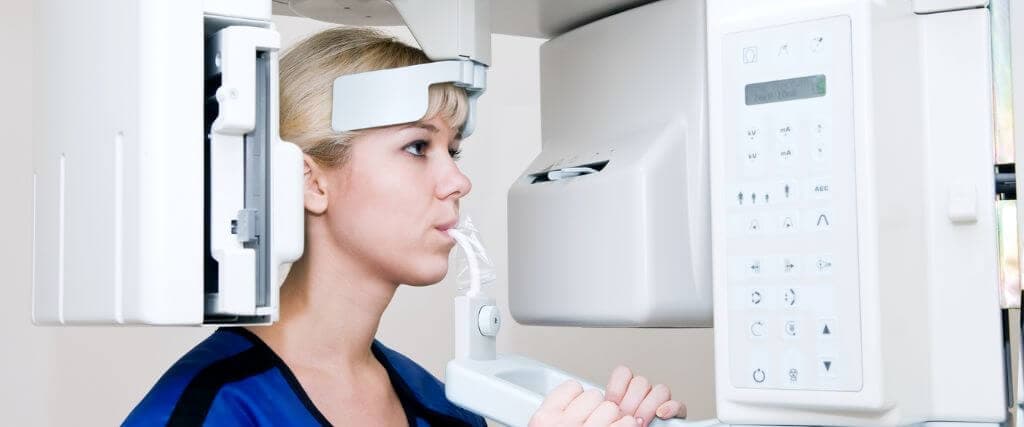
Dental X-rays let your dentist see what a visual exam cannot, from small fractures to changes beneath the gum line. Different situations call for different views, so it helps to know the main types and what each one shows. Here is a plain guide.
Why you need dental X-rays
Your dentist takes X-rays each year to get a clear picture of your overall oral health. They may also be taken to help diagnose a specific problem or to plan the most effective treatment. X-rays produce high-quality images that reveal even the smallest tooth fractures and irregularities. The machines come with software that delivers sharp definition and lets your dentist zoom in or adjust contrast for a closer look.
Two broad categories
There are intraoral X-rays, taken inside the mouth, and extraoral X-rays, taken outside the mouth. Each category includes several types.
Intraoral X-rays
- Bitewing
- Periapical
- Occlusal
Extraoral X-rays
- Panoramic
- Cephalometric
- Cone beam
Intraoral X-rays
Bitewing X-rays help your dentist detect decay between your teeth and just below the gum line. They show the upper and lower teeth in one specific area of your mouth, though they do not usually capture the roots.
Periapical X-rays help your dentist detect decay, gum disease, bone loss, and other significant abnormalities in the teeth and surrounding bone. They show the entire tooth, from the crown down to the root tip.
Occlusal X-rays help your dentist examine the floor and roof of your mouth. They help diagnose fractured teeth, impacted teeth, and problems with the roots of the front teeth, and they can also reveal cysts, abscesses, and jaw fractures.
Extraoral X-rays
Panoramic X-rays give your dentist a broad view of your dental health. They capture all the structures in your mouth in a single wide image, including the upper and lower teeth, jaw joints, nerves, sinuses, and bone.
Cephalometric X-rays help a dentist or orthodontist plan treatment to correct bites. They show the entire head from a side angle, demonstrating how the teeth sit in relation to the jaw.
Cone beam is a type of CT scan that dental surgeons use to confirm the height, width, and location of the jawbone before a dental implant procedure. It captures 3D images of the teeth, jaws, joints, nerves, and sinuses, and it can also detect tumors and facial fractures.
If you have more questions about dental X-rays and the types we use, reach out to us. We are happy to walk you through it.
Ready for a healthier smile?
We provide a thorough exam as part of every wellness visit. Book an appointment and let us take care of you.