
Oral Care Myths
The Truth About Mouthwash, Charcoal Toothpaste, and TikTok Trends: What's Backed by Science
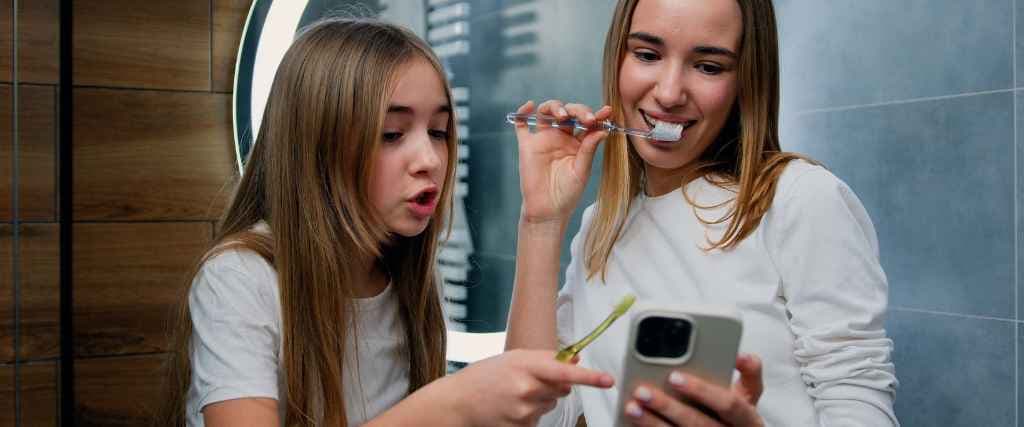
Social media has changed how people find health advice, and oral care is no exception. Some viral tips are harmless, but others can wear down your enamel or steer you away from what actually works. Here is a look at the most common trends, and what the science really says.
The fluoride debate: science vs. social media
The anti-fluoride movement has gained traction online, with influencers claiming fluoride causes everything from thyroid problems to lower IQ. What those videos leave out is decades of peer-reviewed research showing fluoride is both safe and effective at the levels we actually use.
Multiple systematic reviews confirm that water fluoridation reduces tooth decay by 20 to 40%. The American Dental Association, the Centers for Disease Control, and the World Health Organization all endorse fluoride based on extensive evidence. Critics often cite studies that link fluoride to health issues, but those studies usually involve concentrations far higher than what you encounter in toothpaste or treated water. In toxicology, the gap between a therapeutic dose and a toxic one matters enormously.
Charcoal toothpaste
Thanks to countless before-and-after posts, activated charcoal toothpaste is one of the most popular dental products online. The results can look striking, but the reality behind them is less impressive.
Charcoal is abrasive, so it can scrub away surface stains and create an immediate whitening effect. That same abrasiveness also wears down enamel, the protective outer layer that does not grow back once it is gone. Studies have found charcoal toothpastes to be far more abrasive than conventional whitening pastes. Over time, that can lead to more sensitivity, enamel erosion, and teeth that look yellower as the darker dentin underneath shows through thinning enamel. Most charcoal toothpastes also skip fluoride, which means they leave out the ingredient that prevents decay.
Mouthwash myths and realities
Social media has spread plenty of mouthwash misconceptions too, from claims that alcohol-free versions do not work to ideas that homemade mixes outperform commercial products.
Myth: alcohol-free mouthwash does not work
Many people assume alcohol-based rinses work better because they feel stronger. Research shows that alcohol-free formulas can reduce bacteria and freshen breath just as well, without the burning or tissue irritation. The cetylpyridinium chloride and essential oil formulas in many alcohol-free rinses offer comparable antimicrobial benefits. The choice should come down to personal preference and sensitivity, not perceived strength.
Myth: you should use mouthwash before brushing
Some videos claim you should use mouthwash after flossing but before brushing, so the fluoride in your toothpaste stays on your teeth longer. The research here is limited, and the Mayo Clinic recommends using mouthwash after brushing. If you are worried about rinsing fluoride away, wait 20 to 30 minutes after brushing before you floss.
Separating fact from fiction
Social platforms are fertile ground for dental misinformation, promoting everything from hydrogen peroxide rinses to DIY straightening.
Oil pulling
This traditional Indian folk remedy involves swishing oil, often sesame or coconut, in your mouth for 15 to 20 minutes. Some studies suggest modest benefits for reducing bacteria and supporting gum health, but the evidence is limited. One thing is clear: oil pulling cannot replace regular brushing and flossing, no matter what the posts suggest.
Hydrogen peroxide rinses
Videos showing dramatic whitening from hydrogen peroxide rinses are everywhere. Dentists do use hydrogen peroxide for professional whitening, but unsupervised home use can cause chemical burns, enamel damage, and sensitivity. Leave peroxide whitening to the professionals.
DIY whitening mixtures
Combinations of baking soda, lemon juice, and other household items promise professional-level results. In practice, these mixes often turn into acidic or abrasive pastes that erode enamel and irritate gums. The citric acid in lemon juice is especially hard on enamel. If you want whiter teeth, compare professional teeth whitening with a dentist instead of heading to the kitchen.
What the ADA actually recommends
The American Dental Association's guidance stands in sharp contrast to many viral trends. Its evidence-based recommendations favor proven strategies over promises of overnight results. For daily care, the ADA recommends fluoride toothpaste, brushing twice a day, flossing, and regular checkups. It specifically warns against charcoal toothpastes and urges caution with whitening products.
How to evaluate dental health claims
Learning to assess oral health information critically protects you from harmful trends and products that do not work.
- Watch for red flags. Be skeptical of products that promise miraculous overnight results, claim to replace professional care, or rely on testimonials instead of evidence. Real dental advances go through years of research before earning professional endorsement.
- Use reliable sources. The ADA website, peer-reviewed dental journals, and licensed dental professionals offer trustworthy guidance. Verify safety and effectiveness through these sources before trying anything new.
- Check study quality. Small studies, testimonials, and before-and-after photos are not strong evidence. Look for systematic reviews, randomized controlled trials, and meta-analyses.
Making informed decisions
Your oral health is too important to hand over to social media trends. Effective care relies on methods backed by decades of research, not the latest viral clip. Before you add a new product or technique to your routine, do your own research and talk to a dentist who can assess your needs and risk factors. Consistent use of proven methods delivers stronger results than any viral shortcut.
The next time a dental trend catches your eye, pause and ask whether it is backed by evidence or just clever marketing. If you have questions, you can call us at (480) 530-0755 or email us, and we are happy to help.
Ready for a healthier smile?
We provide a thorough exam as part of every wellness visit. Book an appointment and let us take care of you.