
Oral Surgery
Do You Need a Bone Graft After a Tooth Extraction? What You Need to Know
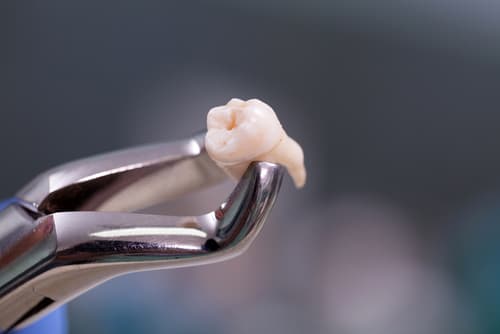
After a tooth comes out, the bone that held it in place can begin to shrink. A bone graft is a way to protect that bone, keep your jaw strong, and lay the groundwork for an implant later. Here is what a graft is, when it helps, and what recovery looks like.
What is a dental bone graft?
A dental bone graft is a minor surgery that takes place after an extraction. The surgeon replaces missing bone with material from another part of your body or with a synthetic substitute. After a tooth is removed, the jawbone often shrinks in width and height through a process called resorption. The graft material acts as a framework for new bone growth. Over time, your body regenerates bone to replace the graft, restoring jaw volume and density.
Why you might need a bone graft after an extraction
There are several reasons your dentist may recommend a graft after a tooth comes out.
Preserving bone structure
Once a tooth is gone, the bone that supported it no longer gets stimulation from chewing. Without that stimulation, the bone deteriorates. A graft helps maintain the volume and shape of your jaw.
Planning for dental implants
Solid bone matters if you are considering an implant to replace the tooth. Implants need a stable foundation, and a graft helps create one. We often recommend a socket preservation graft right after extraction when a patient plans to get an implant later. This proactive step usually saves time and reduces the need for more extensive grafting down the road.
Preventing changes to facial structure
Significant bone loss can change your facial appearance, creating a sunken look that can age you. Grafting helps maintain proper facial contours.
Supporting nearby teeth
When bone deteriorates after an extraction, neighboring teeth can shift or loosen as they lose support. A graft helps prevent that.
Types of bone grafts used after tooth extraction
Dental professionals use several grafting materials, each with its own benefits. Your dental team will help determine which option fits your situation.
- Autografts use bone taken from another part of your body, often the hip, chin, or back of the jaw. Because the bone is your own, it promotes strong healing and integration.
- Allografts use human bone from tissue donors. The material is carefully screened, processed, and sterilized to make it safe to use.
- Xenografts come from non-human sources, typically bovine (cow) bone. All organic material is removed, leaving only the mineral structure.
- Synthetic grafts are made from biocompatible materials like calcium phosphate or calcium sulfate. They can stimulate bone growth while removing any concern about disease transmission.
The bone grafting procedure
Knowing what happens during and after a graft can ease any worry about it. Grafting usually takes place right after the extraction, while the socket is still open. During the procedure, your dentist will:
- Clean the extraction site thoroughly.
- Place the grafting material into the socket.
- Cover the graft with a protective membrane.
- Close the gum tissue with stitches.
The whole process usually adds just a few minutes to the extraction.
While you recover, you can expect mild discomfort, swelling, and bruising, which should ease within a few days. Small bone particles may also work their way out through the gum tissue as you heal, and that is normal. Complete healing and integration take 3 to 6 months for most patients, though the exact timeline varies.
Your dentist will give you aftercare instructions, including how to clean the area, which foods to avoid, and when to come back for follow-up visits. Following them closely supports steady healing and lowers the risk of complications. If anything concerns you during recovery, contact your dentist right away.
Potential risks and complications
Bone grafting is generally safe, but as with any surgery, complications are possible.
Infection
Though rare with proper technique and sterilization, infection remains possible with any surgical procedure.
Graft failure
Sometimes the body does not integrate the graft material properly. This is most common in patients who smoke or who have certain medical conditions.
Nerve damage
In very rare cases, grafting can cause nerve damage, leading to numbness or tingling in the mouth or face.
Sinus complications
For upper jaw grafts near the sinus cavity, there is a small risk of perforating the sinus membrane.
Do you need a dental bone graft?
A bone graft after an extraction is an investment in your oral health. It is not necessary in every case, but it offers real benefits for many patients, especially those considering implants or those concerned about preserving facial structure. Your dentist will assess your situation and help you decide whether a graft supports your goals.
When performed by qualified professionals, bone grafts have high success rates and can meaningfully improve outcomes after a tooth extraction. Proper aftercare is just as important to healing well. Grafting can sound intimidating, but in practice it usually adds only a few minutes to an extraction. If you need an extraction, schedule a consultation with your dentist today.
Ready for a healthier smile?
We provide a thorough exam as part of every wellness visit. Book an appointment and let us take care of you.