
Diagnostics
Dental Diagnostics: How Do Digital X-Rays Work, and Why Are They Done?
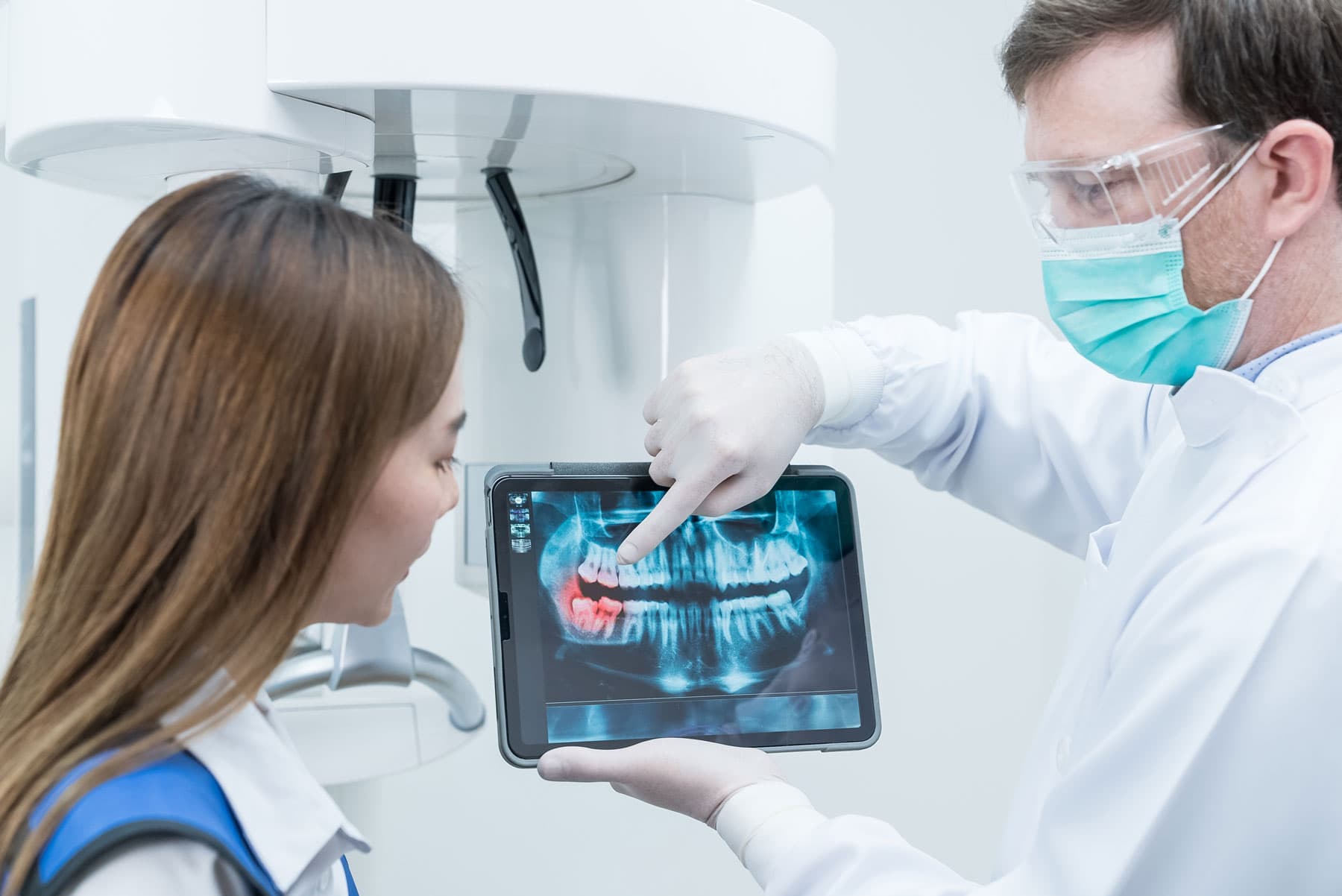
X-rays let us see what a visual exam cannot, from decay between teeth to changes in the bone that holds your teeth in place. Digital X-rays bring that diagnostic power into the modern office, with sharper images, faster results, and far less radiation than the film-based methods they replaced.
Digital X-rays in dental diagnostics
Digital X-rays have largely replaced traditional film in dental care. Instead of film, they use digital sensors to capture detailed images of your teeth, gums, and jaw. Those images appear on a computer screen almost instantly, which makes the whole process more efficient, more accurate, and safer.
The benefits of digital X-rays
Moving from film to digital changed dental diagnostics in several meaningful ways.
Sharper images for a better diagnosis
Digital X-rays produce high-resolution images that capture more detail than film. That added clarity supports a thorough analysis, so your dentist can reach an accurate diagnosis and build an effective treatment plan.
A closer look
Digital images can be enlarged on screen, which lets your dentist zoom in on a specific area. This is especially helpful for catching small issues early, before they would show up on a traditional X-ray.
Immediate viewing
There is no waiting for film to develop. Digital X-rays are ready to view right away, which speeds up the diagnosis. Your dentist can discuss what the images show and begin treatment without delay.
Spotting the unseen
The clarity of digital X-rays helps reveal hidden problems. These can include decay, bone infections, gum disease, tumors, and other abnormalities that a visual exam or a film X-ray might miss.
Time and cost savings
Catching dental problems early reduces the need for more invasive and expensive treatment later. Over time, that saves patients both time and money.
Less radiation
Digital X-rays reduce radiation exposure by up to 70 percent compared to traditional film. That makes them a safer way to gather the same diagnostic information.
Electronic storage and easy access
Because digital X-rays are stored electronically, they are easy to access and share. Records can go to other healthcare providers, insurance companies, or the patient. This streamlines communication and speeds up insurance claims.
A more sustainable choice
Digital X-rays do not require the chemicals used to develop film, so they are gentler on the environment. At Southern Smiles, we care about reducing our footprint, and this technology helps us do that.
The technology behind digital X-rays
Digital X-ray technology, also called digital radiography, has reshaped dental imaging. Here is what makes it work.
The digital sensor
At the heart of the system is a small digital sensor. It is placed in your mouth to capture the images. Rather than relying on film that must be developed, the sensor captures X-ray energy and converts it directly into electronic signals.
The software
Those signals travel to a computer, where dedicated software interprets them and builds a visual image. Because the process is computerized, your dental team can use image enhancement tools to highlight anything that needs a closer look.
The monitor
The finished images appear on a monitor right away. This saves time and helps with communication, since your dentist can review the images with you and talk through any findings on the spot.
Keeping X-rays safe
Even with a large reduction in radiation, digital X-rays still involve some exposure. At Southern Smiles, patient safety comes first. We follow strict safety protocols and take X-rays only when they are needed. Patients with special considerations, including pregnant women, should talk with their dentist about the potential risks before any radiography.
Types of digital dental X-rays and their uses
Digital dental X-rays come in different types, each designed to capture a specific view of your teeth and mouth. The type your dentist chooses depends on what they need to see or monitor.
Bitewing X-rays
Bitewing X-rays are named for the small plastic bite tabs you hold between your teeth while the image is captured. They show the upper and lower back teeth in a single view. They help your dentist find cavities between teeth, spot changes in bone density from gum disease, and check the fit of a crown or other restoration.
Periapical X-rays
Periapical X-rays focus on one or two whole teeth, from the root to the crown. They are useful when your dentist needs a detailed view of a specific tooth. They can reveal problems in the root structure and surrounding bone, help diagnose an abscess, or track the progress of a treatment.
Panoramic X-rays
Panoramic X-rays give a broad view of the entire mouth in one image. They capture the teeth, upper and lower jawbones, sinuses, and temporomandibular joints (TMJ). Because of that wide view, they are often used to plan treatments such as implants, braces, dentures, or extractions. They also help identify fractures, cysts, tumors, bone irregularities, and infections in the jaw.
Making the most of your digital X-ray
Open, proactive communication with your dentist gets you the most out of any X-ray. Ask questions, understand the process, and know what the results may mean. Following the instructions you are given, and reporting any changes in your dental health, helps too.
Why choose Southern Smiles for your dental care
At Southern Smiles, our dentists use digital X-rays to diagnose and treat a wide range of dental conditions. Beyond imaging, our services span oral cancer screening, dental hygiene guidance, and cosmetic care. We use digital X-rays as part of our routine wellness exams. Schedule your wellness exam today and let us take care of you.
Ready for a healthier smile?
We provide a thorough exam as part of every wellness visit. Book an appointment and let us take care of you.