Invisalign

Cosmetic · Orthodontics
Southern Smiles provides Invisalign treatment for adults; we do not provide traditional braces or children's orthodontics. Dr. Monzer Shakally evaluates your teeth, gums, bone, bite, and existing dental work in South Phoenix, explains whether Invisalign fits your case, and coordinates a specialist referral when braces or another approach would be more appropriate.
Invisalign treatment for adults
No braces or children's orthodontics—referrals when needed
Bilingual care for South and East Phoenix
Real adult orthodontic patients
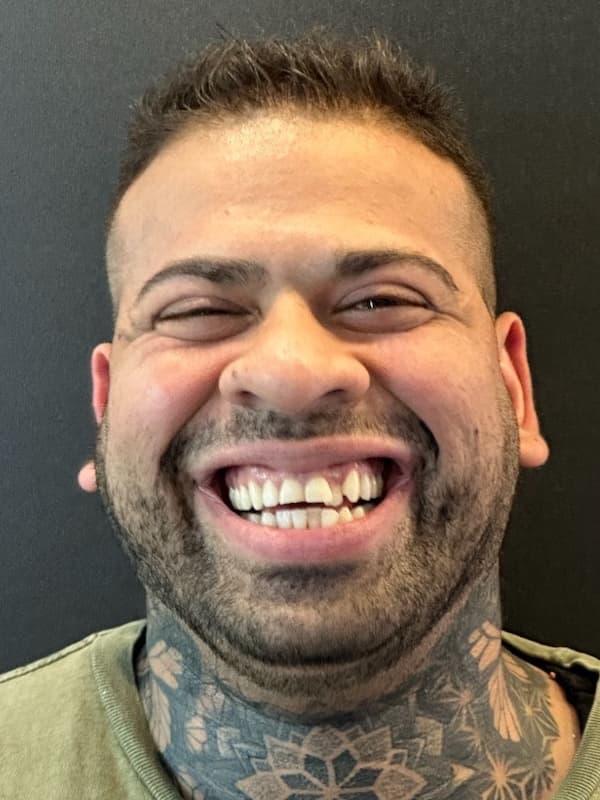
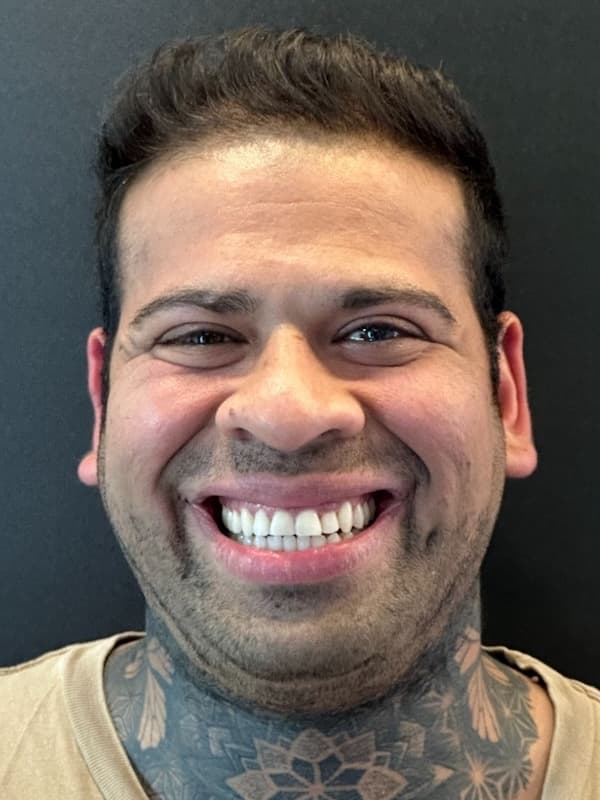
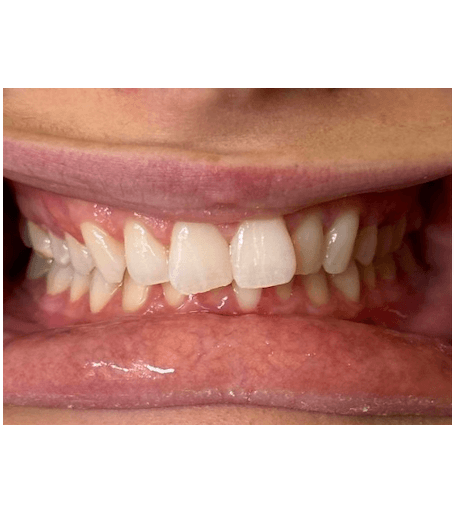
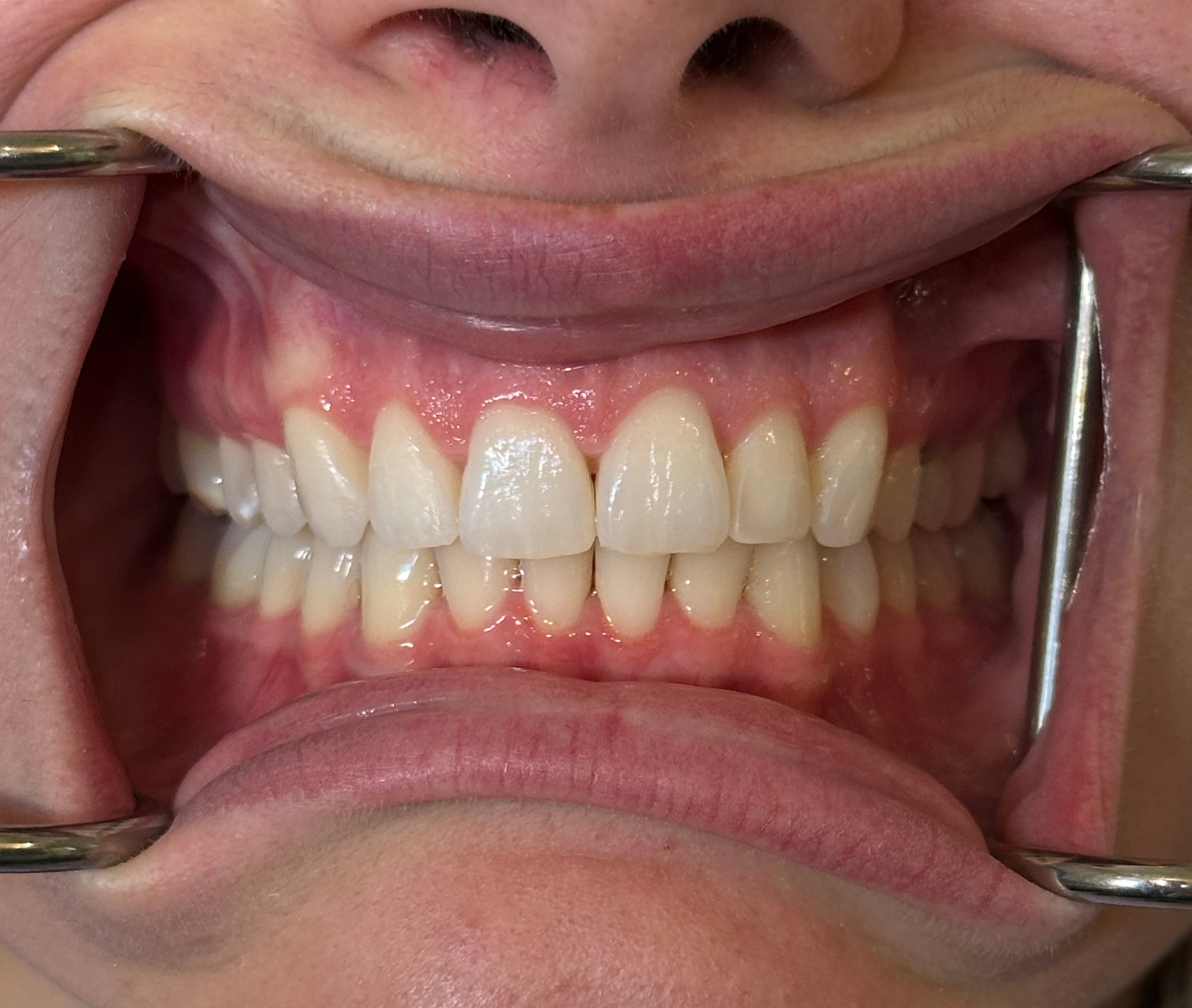
These are verified Invisalign cases completed at Southern Smiles. They show what doctor-directed Invisalign treatment accomplished for two individual patients; starting points, treatment needs, and results vary.
Invisalign
Invisalign
Invisalign versus braces
The most discreet option is not automatically the best option, and the appliance does not replace diagnosis. The amount and type of movement, your bite, gum support, restorations, and daily routine all matter.
Invisalign uses removable clear aligners and can be a discreet option for many adult spacing, crowding, and bite concerns. Success depends on wearing the trays consistently, keeping them and your teeth clean, and returning for monitoring. Attachments, refinements, and retainers may be part of treatment.
Explore our Invisalign treatment page →Fixed braces do not depend on remembering to insert trays and may give better control for certain complex movements. If your diagnosis is better treated with braces, advanced orthodontic mechanics, or jaw-focused care, we will explain why and help coordinate the appropriate specialist referral.
Health before alignment
Adults may have gum recession, bone loss, missing teeth, implants, crowns, or planned restorative work. Those factors can change which teeth should move and when other treatment belongs in the sequence.
The adult orthodontic process
The exact timeline varies, but a responsible plan follows the same sequence: evaluate health, document the bite, move teeth with supervision, and protect the finished position.
Step 1
We review your goals, teeth, gums, bite, existing dental work, photographs, and any X-rays or digital scans the case needs.
Step 2
We explain what Invisalign could accomplish, where it has limits, and when braces or specialist care would offer better control.
Step 3
During active treatment, progress visits confirm that the teeth and supporting tissues are responding as planned.
Step 4
After the planned movement is complete, retainers help hold the result while any coordinated cosmetic or restorative work is completed.
Consultation, cost, and payment plans
Your $99 consultation includes an exam, photographs, digital scans, and a complete workup explaining the recommended process and estimated treatment timeline. If you move forward with Invisalign, the $99 is applied toward your total treatment cost.
From Dr. Shakally
Hear how Dr. Shakally compares adult treatment options and what he evaluates before recommending a path.
Common questions
Straight answers to common questions about starting orthodontic treatment as an adult.
Age alone does not rule out orthodontic treatment. The more important questions are whether your teeth, gums, and bone can support movement and whether the proposed plan fits your bite, health history, restorations, and goals.
Neither method is automatically better. Invisalign uses removable clear aligners that are discreet but require consistent wear. Fixed braces may provide better control for certain complex movements and do not depend on tray wear. Diagnosis should determine the method.
Active periodontal disease should be evaluated and stabilized before orthodontic movement. Moving teeth without adequate gum and bone support can create avoidable risk, so periodontal care and monitoring may need to be coordinated first.
Those conditions do not automatically prevent treatment, but they affect planning. Implants do not move like natural teeth, and the final tooth positions may need to be coordinated with future crowns, bridges, implants, bonding, or veneers.
Treatment time depends on the starting bite, the number and complexity of movements, the appliance selected, biological response, and adherence to the plan. We provide a case-specific estimate after diagnostic records rather than promise a standard timeline.
Yes. Teeth can shift after active orthodontic movement, so retention is part of treatment. The type of retainer and wear schedule are prescribed for your individual result.
Coverage varies. Some plans include an adult orthodontic benefit, while others exclude adult treatment or apply age limits, waiting periods, deductibles, or lifetime maximums. We can review your plan and provide a written estimate.
The Invisalign consultation is $99 and includes an exam, photographs, digital scans, and a complete workup explaining the recommended process and estimated treatment timeline. If you move forward with treatment, the $99 is applied toward your total Invisalign cost. We can also review payment-plan options and help determine whether you qualify.
Build the complete plan
These pages explain how orthodontic movement can coordinate with color, tooth shape, and a broader smile plan.
See the dedicated Invisalign page for candidacy, daily wear, treatment steps, costs, and real patient results.
Learn more →Plan when whitening should happen relative to aligner treatment and final restorative shade matching.
Learn more →Compare moving a tooth with conservatively repairing a small chip, edge, shape, or space.
Learn more →See how alignment can fit into a coordinated plan involving health, function, color, and tooth proportions.
Learn more →Start with an exam and a real diagnosis. We will explain what Invisalign could accomplish, when another method makes more sense, and what the full sequence would involve.